
A long-awaited return after three weeks of suspension
In early June 2026, Anthropic unveiled two powerful new artificial intelligence models: Claude Fable 5 and Claude Mythos 5. Both AIs quickly generated enthusiasm among users and industry professionals. That excitement was short-lived, however. Researchers at Amazon raised an alert about potential flaws in the self-censorship mechanisms built into the models, opening the door to malicious uses.
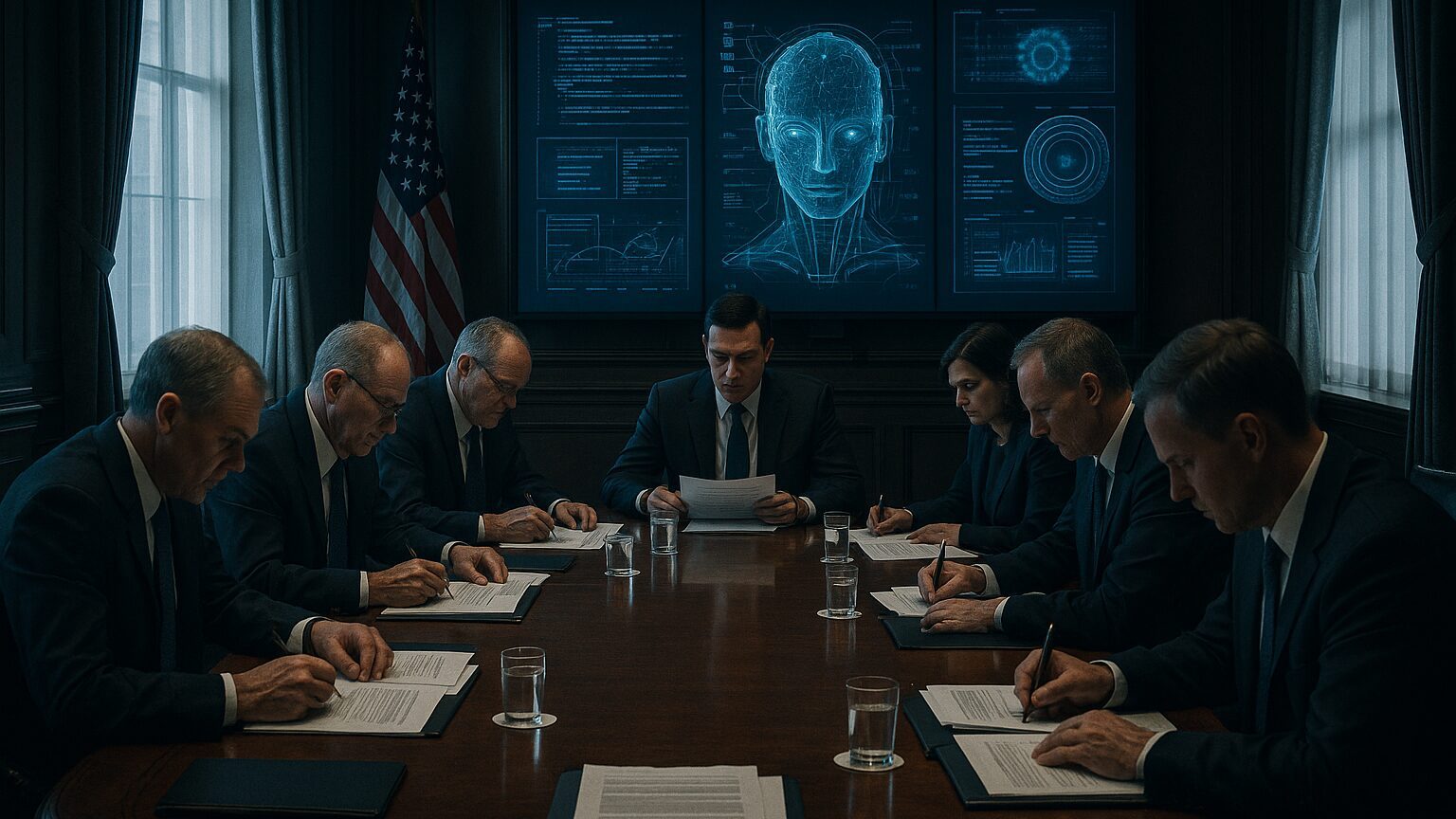
In response to these reports, the US government took up the matter. Washington expressed concern that cybercriminals, particularly from Russia or China, could exploit these models to identify security vulnerabilities in sensitive infrastructure. In reaction, the Trump administration demanded that Anthropic disable Claude Fable 5 and Mythos 5 for all foreign nationals, whether located inside or outside US territory.
Unable to implement such a restriction in a targeted way, Anthropic made a drastic decision: to cut access to both models everywhere in the world. All subscribers, without exception, found themselves cut off from the two new AIs for nearly three weeks.
Decisive negotiations between Anthropic and Washington
The global suspension provoked a strong international reaction. Cybersecurity researchers, technology companies, and even European political leaders called for a rapid softening of the American position. Behind the scenes, intense discussions took place between Dario Amodei, Anthropic’s CEO, and representatives of the US government.
Those negotiations clearly bore fruit. On the sidelines of the G7, Donald Trump declared that the new Claude models were no longer considered a threat to national security. He even praised the speed with which Anthropic had complied with the initial order, which helped accelerate the process of lifting the restrictions.
The thaw was gradual. As early as June 27, 2026, Anthropic had announced a first partial unblocking of Mythos 5, limited to a small group of American organizations operating in critical infrastructure sectors. This piecemeal restoration clearly foreshadowed the full lifting of restrictions that was to follow.
The commitments made by Anthropic to lift the ban
On June 30, 2026, Anthropic officially announced that the US Department of Commerce had lifted the export controls targeting Claude Fable 5 and Mythos 5. The restoration of access began on July 1, 2026. But this lifting of the ban is not without conditions: Anthropic made several concrete commitments to reassure US authorities.
- Deployment of a new set of classifiers designed to target and block a greater number of potentially malicious cybersecurity-related tasks.
- A commitment to refine these classifiers in the coming weeks in order to reduce false positives and better distinguish legitimate uses from malicious ones.
- Strengthening of safeguards against malicious uses on partner platforms, particularly Amazon Web Services Bedrock.
- Maintenance of specific restrictions on Mythos 5, which remains reserved for selected American partners.
These measures reflect Anthropic’s desire to strike a balance between making its models accessible to legitimate users and preventing cybersecurity risks. The startup emphasized that these technical adjustments must not harm everyday uses, even if some coding tasks could be temporarily affected while the classifiers are being refined.
Global availability for Fable 5, but limitations for Mythos 5
The situation of the two models is now asymmetric. Claude Fable 5 is once again accessible worldwide, for all Anthropic users, without geographic restriction. Anthropic confirmed this explicitly in a post on its X account, dispelling any ambiguity on the matter.
Claude Mythos 5, on the other hand, is following a different path. This model, considered even more powerful and potentially more sensitive, remains reserved for a select circle of carefully vetted American partners. No date has been communicated regarding a possible expansion of its access internationally.
Questions that remain unanswered
Despite the official announcement, several grey areas remain surrounding this agreement between Anthropic and the US government. The startup has not provided detailed information about all the technical modifications made to the models as part of the negotiations. It is not known, in particular, whether restrictions invisible to the user have been integrated directly into the functioning of the AIs.
- The exact nature of the new classifiers and their impact on the overall performance of the models remains to be clarified.
- The precise conditions imposed on Anthropic by the Department of Commerce have not been made fully public.
- The future of Mythos 5 internationally remains uncertain, with no announced timeline for broader access.
- The question of governance of powerful AIs at the international level remains open, as this episode has highlighted the tensions between technological innovation and national security imperatives.
An episode that reveals the geopolitical stakes surrounding AI
This affair strikingly illustrates how much cutting-edge artificial intelligence models have become major strategic and geopolitical issues. The American decision to impose export controls on AI software, similar to what already exists for certain hardware components, marks an important step in the international regulation of these technologies.
For users and businesses around the world, this episode is a reminder of the fragility of access to the most advanced AI tools, whose availability can be suspended overnight for political or security reasons. It also underscores the growing importance of the relationships between major technology companies and governments in defining the rules governing the use of artificial intelligence on a global scale.